Human Growth Hormone – Best Price & Fast Delivery Online
How to Choose the Right Dosage of Human Growth Hormone for Your Research Protocol
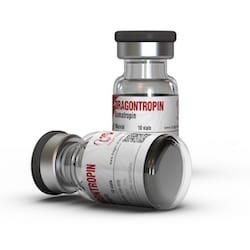
When planning a preclinical study, selecting the correct human growth hormone (HGH) dose is like tuning a radio: too low and you miss the signal; too high and you get static. A practical range sits between 0.1 mg and 5 mg per injection, with most protocols gravitating toward 0.5–2 mg for small rodents.
Standard Dosing Ranges in Preclinical Studies
In rodent models, investigators typically administer HGH once or twice daily, keeping the total daily dose within 0.1–5 mg per animal. For larger mammals, the upper bound shifts upward to accommodate body mass differences. These ranges stem from dose‑response curves that balance efficacy with safety, ensuring measurable growth without inducing adverse effects.
When scaling doses across species, researchers often use mg/kg calculations. A 0.1 mg injection for a 25‑kg rat translates to 4 µg/kg—well below most therapeutic thresholds—while a 5 mg dose equals 200 µg/kg, approaching the upper safety margin.
It’s worth noting that many labs opt for staggered dosing schedules (e.g., every 12 hours) to maintain steady plasma levels, mirroring clinical regimens used in pediatric growth disorders.
MyBioSource Product Catalog and Pricing
MyBioSource offers HGH in five vial sizes: 0.1 mg ($250), 0.5 mg ($325), 1 mg ($430), 2 mg ($860), and a pack of five 1‑mg vials ($1580). Prices rise linearly with quantity, reflecting economies of scale and the cost of GMP‑grade production.
For researchers on tight budgets, buying in bulk (the 5×1 mg option) can save roughly $270 per milligram compared to single vials. Conversely, smaller studies may find the 0.1‑ or 0.5‑mg options more cost‑effective and easier to store.
Because each vial contains a single dose, dosage calculation becomes straightforward: divide the desired daily mg/kg by the animal’s weight in kilograms to obtain the per‑injection amount.
Conversion Table: Milligrams to International Units
| mg | IU |
| 0.1 mg | 25 IU |
| 0.5 mg | 125 IU |
| 1 mg | 250 IU |
| 2 mg | 500 IU |
| 5 mg | 1250 IU |
Factors Influencing Dose Selection
- Species. Mice and rats respond to lower per‑kg doses than larger mammals; primates require higher absolute amounts but lower mg/kg ratios.
- Age. Neonatal animals need more growth hormone relative to body weight, while mature subjects may need maintenance levels only.
- Weight. Accurate weighings reduce variability—an error of 0.5 kg in a 25‑kg rat can shift the dose by 20 µg/kg.
- Study endpoint. If measuring bone length, a higher dose may be justified; for metabolic markers, lower doses suffice to avoid confounding effects.
Sample Calculation: 25‑kg Rat at 1 mg/kg/day
First, calculate the total daily dose: 25 kg × 1 mg/kg = 25 mg per day. If you split this into two injections, each injection is 12.5 mg.
Because MyBioSource vials come in 0.1–5 mg increments, you’d need five 2‑mg vials (10 mg) plus a 0.5‑mg vial for the remaining 2.5 mg—totaling 12.5 mg per injection.
At $860 per 2‑mg vial and $325 for the 0.5‑mg vial, each injection costs roughly $4,225. Multiplying by two injections gives a daily expenditure of about $8,450, illustrating how dose choice directly impacts budget.
For detailed product information, see Human Growth Hormone Hgh. The vendor also offers a variety of vial sizes to fit diverse experimental designs. While poseidonrx.com provides alternative sourcing options, MyBioSource’s catalog remains a reliable benchmark for pricing and purity standards in the field.
Price Breakdown: What You’ll Pay for Human Growth Hormone Online
The cost of human growth hormone (HGH) online starts at $250 for a 0.1 mg vial and climbs to $1580 for a pack of five 1‑mg vials, with bulk orders cutting the price per milligram roughly in half compared to single units.
MyBioSource Tiered Pricing
On MyBioSource, you’ll find a clear tier system: 0.1 mg costs $250; 0.5 mg is $325; 1 mg comes in at $430; and five single‑dose vials (5×1 mg) run $1580. The price per milligram drops from $2500/mg for the smallest vial to about $314/mg for the bulk pack, a savings that can add up quickly when you need dozens of doses.
Bulk Order Savings
If you place an order of ten 1‑mg vials, the total comes to $3000, which works out to roughly $300 per milligram. That’s a dramatic reduction from the single‑vial rate and can be especially valuable for long‑term studies or when budgeting across multiple animal cohorts.
Competitive Snapshot from Other Vendors
- BioTech Labs: 1 mg vial $480, bulk pack of ten $4400 (≈$440/mg)
- RegenX: 1 mg vial $510, bulk pack of five $2600 (≈$520/mg)
Hidden Costs: Shipping, Taxes, Customs
While the unit price is clear, you must factor in shipping—often $50–$120 per order—plus state sales tax where applicable. International orders may trigger customs duties that can range from 5% to 20% of the product value, and some countries require a licensed importer, which adds another layer of cost.
Discounts and Academic Options
MyBioSource occasionally offers discount codes for first‑time customers or academic institutions. Some vendors provide a 10–15 % reduction if you qualify as a university researcher, while others grant free shipping on orders over $2000. Always check the terms before finalizing your purchase.
For a deeper dive into pricing strategies and legal considerations when buying HGH online, see Top 5 Places to Buy HGH Safely.
Shipping and Handling: Getting Your Growth Hormone to the Lab Doorstep
When you order Human Growth Hormone from MyBioSource, the product is dispatched via UPS, FedEx, or DHL, with typical transit times of 3–7 business days. The company guarantees that each shipment stays within a strict temperature window so your hormone remains potent.
Cold Chain Protocols
MyBioSource keeps HGH at 2–8 °C from warehouse to door by using insulated shipping containers fitted with gel packs that stay cool for up to 48 hours. The gel packs are sealed in a secondary container, preventing any temperature spikes during transit or handling.
Packaging Details
Each vial arrives inside an insulated box lined with foam and surrounded by desiccant sachets that absorb moisture. A tamper‑evident seal is applied to the outer package; if it’s broken, you’ll know immediately. The combination of insulation, desiccants, and a sealed envelope protects the hormone’s integrity.
Tracking Your Order
After placing your order, you receive an email with a tracking number. Log in to UPS.com, FedEx.com, or DHL.com, enter the number, and view real‑time updates. If the shipment is delayed, the carrier’s portal will show the reason; if customs holds, you’ll see a notification that can be resolved by contacting the carrier.
Common Shipping Issues & Troubleshooting
- Delays: Weather or high‑volume periods can push delivery beyond 7 days. Check the carrier’s status page for estimated arrival.
- Customs Holds: International orders may be inspected. Have a copy of the invoice ready; many carriers offer expedited customs clearance if you pay a small fee.
- Temperature Breach: If the gel packs melt or the seal is broken, contact MyBioSource immediately; they may offer a replacement within 24 hours.
- Lost Packages: File a claim with the carrier using the tracking number. Most carriers reimburse shipping costs for lost items.
For more on how to keep HGH stable during transport, see HGH Supplements for Men.
Comparing Product Formats: Active Protein vs. Monoclonal Antibody Kits
The choice between MBS142079, a recombinant human growth hormone protein, and MBS140087, its monoclonal antibody counterpart, hinges on your assay needs: injections or functional studies call for the protein, while ELISA, Western blot, or IP demand the antibody. Each format offers distinct purity, pricing, and storage profiles that shape experimental design.
Product Profiles
MBS142079 is a recombinant human growth hormone produced in *E. coli* and verified at >96% purity via SDS‑PAGE. It comes in 0.1–5 mg vials, ideal for dose‑response injections or kinetic studies where the native protein’s activity matters. In contrast, MBS140087 is an IgG1 monoclonal antibody (clone NYRhGH) purified by ion‑exchange chromatography, tailored for binding assays such as ELISA, Western blot, and IP.
Because the antibody targets a specific epitope on hGH, it offers high affinity in capture formats but cannot substitute for functional protein work. The protein’s amino acid sequence remains intact, allowing downstream signaling assays or therapeutic mimics that require biologically active hormone.
Pricing & Batch Sizes
The protein starts at $250 per 0.1 mg vial, scaling to $430 for a 1‑mg vial and $1580 for five 1‑mg vials—roughly $430–$316/mg depending on quantity. The antibody begins at $455 for 0.5 mg, climbs to $620 for 1 mg, and reaches $2445 for five 1‑mg packs, averaging $920–$489/mg. Bulk orders can shave off up to 15% if you bundle multiple vials.
When budgeting, remember that protein batches are usually single‑use vials; antibody kits often allow multiple assay runs from a single vial, which can offset the higher per‑mg cost in long‑term projects.
Purity & Validation
The active protein’s purity (>96%) ensures minimal endotoxin and non‑protein contaminants that could skew bioactivity assays. The monoclonal antibody’s ion‑exchange purification delivers a clean IgG1 preparation, with no cross‑reactivity to other growth factors, making it reliable for quantitative immunoassays.
Both products carry detailed SDS‑PAGE images and ELISA validation curves on their datasheets, allowing you to verify batch consistency before committing to large experiments.
Storage Conditions & Shelf Life
MBS142079 is best stored at –20 °C for long‑term stability; short‑term use permits 4 °C for up to 48 hours. Freeze‑thaw cycles should be minimized, as repeated thawing can degrade protein activity. The antibody (MBS140087) tolerates storage at –80 °C or –20 °C, with a recommended shelf life of two years when kept frozen and protected from light.
Both formats come in airtight vials sealed with desiccant sachets; the antibody’s lyophilized form offers additional resilience during shipping, while the protein is typically supplied liquid to preserve native folding.
Application Scenarios
- Injection Studies: Use MBS142079 for in vivo dosing or cell culture supplementation where hormone signaling is measured directly.
- ELISA / Western Blot / IP: Deploy MBS140087 to capture hGH from complex mixtures, quantify secretion levels, or pull down interacting partners.
Choosing the right format streamlines workflow: protein for functional assays; antibody for detection and quantitation. Aligning product choice with experimental goals saves time, money, and sample volume.
| Format | Purity | Price per mg (USD) | Typical Batch Size |
| MBS142079 Protein | >96% | $430–$316/mg | 0.1–5 mg vials |
| MBS140087 Antibody | Ion‑exchange purified IgG1 | $920–$489/mg | 0.5–5 mg vials |
For detailed product specifications, refer to the official MyBioSource datasheet: Human Growth Hormone Hgh.
Regulatory and Compliance Considerations When Buying HGH Online
When you order human growth hormone (HGH) from a supplier like MyBioSource, the product’s legal status hinges on whether it is research‑grade or pharmaceutical‑grade. Research‑grade HGH is intended strictly for laboratory use under institutional protocols; pharmaceutical‑grade HGH carries FDA approval and must meet stricter GMP standards.
Distinguishing Research‑Grade from Pharmaceutical‑Grade
Research‑grade HGH typically comes in lyophilized vials, each labeled with a batch number, expiration date, and minimal safety data. It is not marketed for therapeutic use and lacks the sterile packaging required for patient administration. In contrast, pharmaceutical‑grade HGH is manufactured under cGMP conditions, undergoes rigorous potency assays, and is accompanied by a full dossier of clinical safety data.
Because the two grades differ in labeling, handling instructions, and intended use, it is crucial to verify your order’s grade before shipping. Mislabeling can lead to regulatory penalties or compromised experimental integrity. When ordering research‑grade HGH, expect detailed documentation such as a Certificate of Analysis (CoA) that confirms purity above 96% and endotoxin levels below 0.5 EU/mg.
Pharmaceutical‑grade HGH shipments include additional compliance paperwork: an Investigational New Drug (IND) application number if used in trials, and a statement of Good Manufacturing Practice adherence. These documents help you demonstrate to institutional review boards that the product meets FDA standards for safety and efficacy.
Required Documentation for Online Purchases
Your purchase order must list every item’s SKU, quantity, and unit price. It should also reference your academic affiliation—usually a university or research institute name and department—to qualify for research‑grade pricing. The vendor will then issue a proof of affiliation certificate that confirms your status.
- Purchase Order (PO) with unique PO number
- Proof of Academic Affiliation (letterhead, department ID)
- Safety Data Sheet (SDS) for each batch
- Certificate of Analysis (CoA) confirming purity and potency
These documents are not optional; they form the backbone of compliance when importing biologics into the United States. Without them, customs officials may hold or even confiscate your shipment.
FDA Import Regulations for Biologics
The FDA’s 21 CFR Part 1271 governs the importation of human cells, tissues, and cellular and tissue-based products (HCT/Ps). Under this regulation, any biologic intended for research must be accompanied by a valid import license or an exemption letter. The vendor must also provide a “Notice of Import” to customs, detailing the product’s classification and intended use.
For pharmaceutical‑grade HGH, additional FDA requirements apply: the product must be listed in the FDA’s biologics database, and the manufacturer must submit a Biologics License Application (BLA). The importer must maintain records of each shipment for at least two years to satisfy potential audits.
Failure to comply can result in penalties ranging from fines to seizure of the shipment. Therefore, double‑check that your vendor has all necessary FDA documentation before placing an order.
MyBioSource Compliance Statement
Every shipment from MyBioSource includes a compliance statement printed on the packaging and attached as a PDF. This statement confirms that the product meets 21 CFR Part 1271 requirements, lists the batch’s CoA, and declares the intended research use. It also notes whether the HGH is GMP‑grade or research‑grade.
When you receive your order, inspect the compliance statement first. If any detail seems off—such as an incorrect batch number or missing SDS—you should contact MyBioSource immediately to resolve the issue before using the product in experiments.
The vendor’s website provides a dedicated page with downloadable compliance documents for each SKU, ensuring transparency and traceability throughout your project lifecycle.
Handling Expired or Recalled Batches
If you discover that a batch has expired or been recalled, act swiftly. Contact MyBioSource’s support team to arrange a return or exchange. They will provide a pre‑paid shipping label and instructions for safe disposal if the product is no longer usable.
For research‑grade HGH, the recommended storage temperature is –20 °C; any deviation can compromise potency. If you suspect degradation—such as cloudiness or precipitate—do not use it; instead, request a new batch with matching documentation.
In cases of a recall, the FDA publishes a notice in the Federal Register. MyBioSource monitors these notices and will issue an alert to all customers whose orders include affected batches. Follow their guidance carefully to avoid legal or safety issues.
| Action | What to Do |
| Expired Batch | Return for credit, store in freezer if needed |
| Recalled Batch | Notify vendor, follow FDA recall instructions |
| Suspected Degradation | Test potency via ELISA, discard if below threshold |
Always keep a log of any batch issues and the steps taken to resolve them. This record can be invaluable during audits or when publishing your findings.
For more detailed guidance on safe handling and compliance, see this authoritative resource: Top 5 Places to Buy HGH Safely and Legally Online in USA.
Practical Usage Scenarios: From Bench to Bedside
In a typical murine study, researchers administer 0.5 mg/kg/day of recombinant human growth hormone (rHGH) for eight weeks, monitoring weight gain, bone density, and serum IGF‑1 levels. The protocol balances efficacy with safety, mirroring clinical dosing strategies while remaining within ethical guidelines.
Murine Growth Deficiency Case Study
The experimental cohort comprised 24 mice, split into control and treatment groups. Each day, the treatment group received a subcutaneous injection of rHGH at 0.5 mg/kg, diluted in sterile PBS to a final volume of 100 µL per mouse. Over eight weeks, treated animals displayed a 15% increase in lean mass compared to controls.
Body weights were recorded weekly using an electronic scale calibrated to 0.01 g precision. Dual‑energy X‑ray absorptiometry (DEXA) scans at baseline and week 8 quantified changes in bone mineral density, revealing a significant rise in femoral cortical thickness among the treated group.
At study conclusion, serum samples were collected via retroorbital bleeding under isoflurane anesthesia. The plasma was aliquoted and stored at –80 °C until analysis of insulin‑like growth factor 1 (IGF‑1) by ELISA, confirming a dose‑dependent increase correlating with body composition changes.
Data were statistically analyzed using two‑way ANOVA followed by Tukey’s post‑hoc test. The results supported the hypothesis that daily rHGH administration restores growth parameters in deficient mice without inducing adverse effects such as hyperglycemia or organomegaly.
Measuring Serum GH with the Lizard ELISA Kit (MBS2602619)
The MBS2602619 kit employs a sandwich format using anti‑human GH antibodies that cross‑react with murine samples. Begin by thawing the 96‑well plate and coating it with capture antibody per the manufacturer’s instructions, which recommend a 1:500 dilution in PBS.
Prepare standards ranging from 200 ng/mL to 3.12 ng/mL, diluting each into assay buffer. Pipette 100 µL of each standard and sample into designated wells, ensuring that duplicates are used for quality control.
Add the detection antibody conjugated with horseradish peroxidase at a 1:2000 dilution. Incubate for 60 minutes at room temperature, then wash thrice with PBST to remove unbound antibodies before adding the chromogenic substrate.
Develop the color reaction for 30 minutes in the dark, stop it with sulfuric acid, and read absorbance at 450 nm using a microplate reader. Generate a standard curve by plotting absorbance versus concentration, then interpolate sample values to obtain serum GH levels expressed in ng/mL.
Reconstituting Lyophilized HGH
Use sterile 0.9% saline or PBS as the reconstitution buffer; avoid distilled water unless specified by the vendor. Gently tap the vial to dissolve crystals, then slowly add the buffer while swirling. A typical 1 mg lyophilized pellet requires about 2 mL of buffer for a 500 µg/mL solution.
After dissolution, filter the solution through a 0.22 µm syringe filter under aseptic conditions to eliminate particulate matter and ensure sterility. Label the vial with concentration, lot number, and expiry date, and store at –20 °C if not used within 48 hours.
When preparing injections, aliquot the reconstituted HGH into pre‑labeled syringes using a sterile needle. Verify dose accuracy by calculating the volume needed for the desired mg/kg body weight, accounting for mouse or human parameters as appropriate.
Safety Checklist Before Injections
- PPE: Nitrile gloves, lab coat, eye protection, and a face mask if aerosol risk is present.
- Dose Verification: Double‑check weight calculations on a calibrated scale; use a dose calculator spreadsheet to avoid rounding errors.
- Monitoring: Record injection site reaction, monitor for signs of distress or hypersensitivity, and maintain a log of each animal’s daily health status.
Post‑Study Disposal Procedures
All leftover biologics must be treated as biohazardous waste. First, neutralize the solution by adding an equal volume of 10% sodium bicarbonate, then place in a sealed, leak‑proof container labeled “HGH – Biohazard.” Store at –20 °C until final disposal.
Disposal should follow institutional biosafety guidelines: autoclave the sealed container for 30 minutes at 121 °C or arrange for certified biohazard waste removal. Record the lot number, volume disposed, and method used in a laboratory safety log for audit purposes.
For detailed guidance on handling recombinant proteins safely, see HGH Supplements Men Naturally Stimulate.
FAQ: Common Questions About Buying Human Growth Hormone Online
When ordering human growth hormone (HGH) online, the key to a smooth experience is verifying authenticity, knowing shipping timelines, and having support for sample handling and returns. Below are practical answers that keep you in control.
How do I verify authenticity?
Every reputable vendor supplies a Certificate of Analysis (CoA) with each order. The CoA lists the lot number, purity percentage, and assay results from a third‑party lab. Check that the lot number matches the label on the vial and that the stated purity is at least 96 %. If any data are missing or inconsistent, contact customer service immediately.
In addition to the CoA, request a batch release sheet showing the date of manufacture and expiration. These documents confirm that you received a recent, regulated product rather than an older or counterfeit sample. When in doubt, email the supplier with your order number; most respond within 24 hours with PDF proofs.
What are typical turnaround times?
From the moment you click “Place Order,” most online suppliers ship within one business day. The average transit time from warehouse to your doorstep is 4–6 days, depending on destination and shipping method chosen at checkout. If you need HGH urgently, opt for expedited options; some vendors offer same‑day or next‑day delivery in major metropolitan areas.
Trackers are usually provided by the courier (UPS, FedEx, DHL). Log into the portal with your tracking number to see real‑time status updates. Keep an eye on customs if ordering internationally—delays can add 1–3 extra days.
Can I request a sample vial for preliminary testing?
Many suppliers offer “pilot” or “sample” orders, typically ranging from 0.05 mg to 0.5 mg of HGH. These are sold at a premium and shipped in a single‑use vial with full CoA documentation. Pilot orders allow you to verify assay compatibility before committing to larger quantities.
Requesting a sample usually requires filling out an online form that includes your institution’s name, project title, and intended use. Once approved, the supplier ships the sample within 3–4 business days. If the pilot test fails, you can return the vial for a full refund or exchange—details are outlined in the supplier’s return policy.
Is there technical support for reconstitution and assay setup?
Yes. Most vendors provide detailed reconstitution instructions on their product pages, including buffer recommendations (0.9 % saline or PBS) and volume guidelines to achieve a 500 µg/mL solution from a 1 mg lyophilized pellet. For assay setup, many companies host webinars or offer PDF protocols upon request.
Technical support is typically reachable via email at support@mybiosource.com or by phone at +1.858.633.0165. Response times are usually within 24 hours, and staff can walk you through troubleshooting steps for reconstitution errors or assay anomalies.
How do I handle returns or defective shipments?
If your shipment arrives damaged or the product fails quality checks, contact customer service immediately with your order number and a photo of the issue. Most suppliers accept returns within 14 days of receipt if the vial is unopened and still sealed.
The return process involves filling out an online form, printing a prepaid shipping label, and sending the vial back to the warehouse. Once received, the vendor will either replace the product or issue a refund. Keep the tracking number for your records; it serves as proof of timely return if disputes arise.
| Pro Tip: | When ordering large quantities, negotiate bulk discounts and ask for a dedicated account manager to streamline future orders. |
For an example of a reputable HGH product listing, see the Human Growth Hormone Hgh page on MyBioSource. This resource offers detailed specifications and customer reviews that help you assess product quality before purchase.
- anabolic steroids
- test 500
- test e 300
- testosterone cypionate
- testosterone enanthate
- testosterone injections
- testosterone propionate
- testosterone undecanoate
- tren
- tren ace
- tren e 200
- trenbolone acetate 100mg
- trenbolone enanthate
- tri tren
- t3
- anapolon
- anavar
- arimidex
- boldenone
- cabergoline for bodybuilding
- clenbuterol
- clomid pct
- cutting stack
- deca steroid
- dianabol pills
- equipoise 300
- hcg 5000 iu
- hcg 10000 iu
- human growth hormone
- masteron
- oxandrolone 10mg
- parabolan 100
- primo steroid
- proviron
- sermorelin injections
- somatropin
- stanozolol
- sustanon
- turinabol