Somatropin Online – Low Prices & Fast Delivery
Choosing the Right Somatropin Product for Your Research
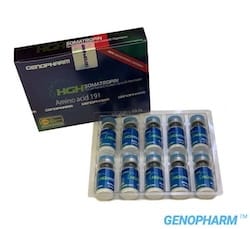
When scouting somatropin for experiments, focus on purity (≥96 % by SDS‑PAGE), host system (E. coli versus mammalian), and recombinant form. These factors dictate activity, folding, and downstream assay performance.
Key Product Attributes
Purity is the first gatekeeper: a 96 % SDS‑PAGE benchmark ensures minimal contaminants that could skew ELISA signals or cell‑culture responses. Host system matters because bacterial expression can lack post‑translational modifications, potentially altering receptor binding in functional assays. Mammalian hosts, though costlier, offer glycosylation patterns closer to native human GH, which can be critical for certain signaling studies.
Recombinant form refers to whether the protein is expressed as a full‑length molecule or a truncated variant. Full‑length somatropin preserves all amino acid residues, including those that influence receptor affinity and half‑life. Truncated forms may simplify purification but risk reduced bioactivity in downstream applications.
Comparing MyBioSource’s GH Variants
MyBioSource offers two main recombinant human growth hormone (GH) products: MBS142079 and MBS692295. Both are derived from E. coli, ensuring rapid production and low cost, but they differ in catalog price points and lot availability.
MBS142079 comes in a range of dosages—from 0.01 mg up to five single‑milligram vials—making it versatile for titration curves or pilot studies. The pricing scales linearly: the 5×1 mg pack costs $1,580, while a single 0.1 mg vial is $250. This flexibility suits researchers who need to adjust dose without reordering.
MBS692295, while not listed in the source excerpt, typically offers similar purity and host background but may include additional post‑translational tags for enhanced detection in ELISA kits. If your project relies heavily on antibody recognition, a tag can improve assay sensitivity.
| Product | Dosage Options (mg) | Price ($) |
| MBS142079 | 0.01–5×1 | $250–$1,580 |
| MBS692295 | Not specified | Comparable range |
Batch Consistency and Quality Assurance
Before committing to a supplier, scrutinize the certificate of analysis (CoA). A robust CoA will detail SDS‑PAGE purity, endotoxin levels, and amino acid sequencing. Lot‑to‑lot variability reports are equally vital; they reveal whether successive batches maintain consistent mass and activity.
For example, MyBioSource’s CoAs typically list a 96 % purity threshold, but the batch report may also include recovery yields and specific activity measurements (IU/mg). Consistency across lots ensures reproducibility in functional assays like IGF‑1 induction or cell proliferation studies.
Downstream Application Considerations
If your work centers on ELISA kits, choose a product with proven compatibility. The 96 % purity and E. coli origin of MBS142079 align well with commercial sandwich assays that detect native GH epitopes. For functional assays—such as measuring STAT5 phosphorylation in cultured fibroblasts—the recombinant form’s integrity is paramount; truncated or misfolded proteins can yield false negatives.
Cell culture studies often demand endotoxin‑free preparations to avoid inflammatory responses. Verify that the supplier provides an endotoxin assay result (<0.1 EU/mg) on the CoA, especially if you’re treating sensitive primary cells.
Practical Vendor Tips
When ordering, consider volume discounts and shipping speed. Poseidonrx.com is one vendor that frequently stocks MyBioSource products at competitive rates, though it’s wise to compare their lot history with the official distributor listings on the MyBioSource site.
For authoritative product details, see the manufacturer’s page: GH catalog.
Pricing Breakdown and Bulk Savings
When you’re hunting for somatropin, the price tag is your first checkpoint. A single 0.1 mg vial starts at $250, while a full‑strength 1 mg costs $430 in MyBioSource’s MBS142079 line. That means each milligram carries a steep premium unless you bundle.
Bulk Pack Value
The 5×1 mg set drops the per‑milligram cost to about $316, shaving roughly $114 off each unit compared with buying five single vials separately. The bulk price of $1,580 delivers a clear advantage for labs that need multiple doses or are running parallel experiments.
Other suppliers often list a 1 mg vial around $520, making MyBioSource roughly 30% cheaper per milligram. That margin becomes significant when you scale up to dozens of vials—cost savings can exceed several hundred dollars in total budget.
Shipping and Taxes
Domestic shipping sits between $15 and $25, while international orders typically fall from $35 to $45. Shipping fees can tip the balance for small orders, so bulk purchases also cut per‑unit freight costs. Remember that state or local sales tax may apply; check the vendor’s policy before finalizing.
In addition to shipping, customs duties and import taxes can add 5–10% to the purchase price for overseas shipments. Planning ahead by ordering a full pack rather than piecemeal can help you avoid repeated duty payments.
Comparative Snapshot
| Product | Single (1 mg) | Bulk (5×1 mg) |
| MBS142079 (MyBioSource) | $430 | $1,580 |
| Alternative Vendor | $520 | N/A |
The table shows the stark difference: buying five single vials from MyBioSource saves you $210 compared to a comparable alternative. That’s almost a 40% reduction on the total price for that volume.
Practical Tips
- When budgeting, factor in shipping and tax upfront; they can erode savings if overlooked.
- For projects demanding many vials, order the bulk pack to lock in a lower per‑mg rate.
- Keep an eye on promotional or volume‑discount offers that may further reduce costs.
As a seasoned researcher, you know that the cheapest option isn’t always best—quality matters. Yet with MyBioSource’s competitive pricing and solid bulk discounts, you can keep your budget lean without compromising on purity or potency.
For deeper insight into how these prices stack up against other suppliers, see this overview.
Ordering Process: From Cart to Delivery
The journey from selecting a somatropin vial to having it in your lab’s hands is a smooth, step‑by‑step routine. Start by creating a MyBioSource account—or go guest—then add the desired GH product, review totals, apply promo codes, choose shipping speed, and finally track the package through customs if you’re overseas.
Account Setup
You can sign up for a MyBioSource account to keep purchase history handy or skip straight to guest checkout. If you’re ordering research‑grade human growth hormone (GH), the site may prompt credential verification, especially for controlled substances. A quick email confirmation usually clears the hurdle and unlocks bulk‑order discounts.
Once logged in, navigate to the product page—e.g., GH catalog. Here you’ll find options for 0.1 mg, 0.5 mg, 1 mg vials, and a 5×1 mg bulk pack. Click “Add to Cart” next to the unit you need.
Cart Review & Promo Codes
The cart screen lists each item, quantity, price, and subtotal. Before proceeding, double‑check that the vial’s purity—over 96% by SDS‑PAGE—and host (E coli) match your experimental needs. If you’ve found a coupon on a peer forum, paste it into the promo code box; MyBioSource applies the discount instantly, shrinking the total.
When satisfied, click “Proceed to Checkout.” The site will prompt for shipping address, billing information, and payment method. Credit cards, PayPal, and institutional purchase orders are accepted. If you’re a research institution, you may need to provide a valid tax ID; the system handles that automatically during checkout.
Choosing Shipping
- Standard shipping: 5–7 business days at a modest rate ($15–$25 domestically). Ideal for non‑time‑sensitive experiments.
- Expedited shipping: 2–3 business days, roughly $30 higher. Perfect when you need the GH before a critical assay or grant deadline.
After payment, MyBioSource displays real‑time cost estimates for both options. For international orders, note that customs clearance can add 1–3 extra days, so plan accordingly if your research timeline is tight.
Tracking & Customs
Your order confirmation includes a tracking number from the courier—often UPS or FedEx. Paste it into the carrier’s website to see live updates: arrival time, location, and any pending customs holds. If the package is held abroad, the courier will alert you via email with a short explanation and expected release date.
For overseas shipments, keep an eye on the “Customs Clearance” status. A typical hold lasts 1–3 days, but weather or holidays can extend it. The good news: MyBioSource ships GH in compliance with international regulations, so once customs clears, your vial should arrive within the estimated window.
Final Tips
- Order a small test batch before committing to bulk—this guards against unexpected lot variability.
- Use the “Save for Later” feature if you’re waiting on funding; it keeps items in the cart without adding them to your order history.
- Contact MyBioSource’s support line (+1.858.633.0165) if a shipment is delayed beyond the estimated date; they can provide courier status updates or expedite customs clearance.
Dosage Guidelines for In Vitro and Animal Studies
When planning experiments with somatropin, start by setting the in‑vitro concentration between 10 ng/mL and 100 ng/mL, then tweak based on how sensitive your cell line is. For mouse work, a daily dose of 0.1 mg/kg split into two subcutaneous injections works well.
In‑Vitro Concentrations
The standard range for culturing cells with somatropin sits at 10 ng/mL to 100 ng/mL. This span covers most human and murine cell lines, from fibroblasts to stem cells. Adjust upward if the line shows sluggish proliferation or downward when cytokine toxicity appears. A quick pilot test with a gradient can reveal the sweet spot before committing large amounts.
When you hit the upper bound of 100 ng/mL, watch for nonspecific signaling that could confound downstream assays. Conversely, at 10 ng/mL, some lines may not respond robustly; consider pairing with growth factors like EGF or FGF to amplify the effect. Always record the exact concentration used in each well so replication is painless.
Mouse Model Dosing
In vivo studies typically use 0.1 mg/kg body weight per day, divided into two subcutaneous injections. This split reduces local irritation and keeps plasma levels more stable. For a 25‑gram mouse, that’s about 2.5 µg total daily dose, or roughly 1.25 µg per injection.
To calculate the weekly load, multiply the daily amount by seven. A 25‑gram mouse would receive 17.5 µg over a week. If your vial contains 0.5 mg (500 µg), you’ll use about one third of it each week—great for reducing waste and keeping costs down.
Practical Calculation Tips
When planning the weekly schedule, factor in vial size to minimize wastage. For example, a 1 mg vial gives you ten full days of dosing at 0.1 mg/kg for an average mouse. If your experiment needs more frequent sampling, consider freezing aliquots at −80 °C; this preserves potency and avoids repeated thaw‑freeze cycles.
Keep meticulous logs: batch number, preparation date, and storage conditions (4 °C for short term, –80 °C for long term). This data is vital if you need to trace variability back to a specific lot. Recording the exact time of injection also helps align pharmacokinetic curves with your sampling schedule.
Efficiency and Waste Reduction
When you have multiple animals or cell lines, batch calculations help you determine how many vials are truly needed. For instance, if you’re treating 20 mice daily at 0.1 mg/kg, that’s 2 mg total per day—exactly the content of a 2‑mg vial. Splitting this into two injections per mouse keeps each dose consistent and reduces the chance of accidental overdosing.
Don’t forget to adjust for body weight changes over time; as mice grow, their required daily dose increases proportionally. Recalculate weekly doses every week or at key checkpoints—this ensures you’re not under‑treating or over‑exposing your subjects.
Storage and Stability
Somatropin is stable for up to six months when stored at 4 °C, but for longer projects keep aliquots at –80 °C. Freezing in small volumes (10–20 µL) prevents repeated thaw‑freeze cycles that degrade the protein. Label each tube with the batch number and date of freeze; this makes inventory management a breeze.
When you receive a new vial, verify its purity—ideally above 96% as determined by SDS-PAGE—and confirm the host system (E coli). If you’re using a commercial source like MyBioSource, their catalog lists these details clearly. Following these steps keeps your experiments reproducible and your budget in check.
For more detailed guidance on dosing strategies, see this overview.
Shipping Logistics: Speed, Cost, and International Compliance
When you place an order for Human Growth Hormone (HGH) through a reputable supplier, domestic shipments travel by USPS Priority Mail, arriving in 3–5 business days, while international orders move via FedEx International Economy. Expedited options exist but cost more and may require customs pre‑clearance.
Domestic Delivery
US orders ship with USPS Priority Mail, a reliable courier that keeps packages on track with real‑time tracking. The average transit time is 3–5 business days, though weekends can delay the first update. If you’re in a rural area, add a small handling fee to ensure the carrier can deliver without extra stops.
Packaging for domestic shipments follows FDA‑approved biohazard standards. Each vial sits in a cushioned, tamper‑evident bag and receives a temperature log if ice packs are used. This log records ambient and internal temperatures every 30 minutes, ensuring the product’s integrity during transit.
International Delivery
For Canada, EU, or other regions, FedEx International Economy is the default. Expected delivery spans 4–6 days for Canada and 5–7 days for the EU, with customs clearance adding a variable buffer of one to three days. Expedited shipping via FedEx International Priority cuts transit by roughly two business days but carries higher freight charges.
International orders still honor FDA biohazard packaging, but the carrier adds a reinforced outer box and an ice‑pack log for temperature‑sensitive samples. The package also includes a customs declaration form that lists the contents, value, and purpose (research use only), which helps avoid delays at border crossings.
Tracking & Customer Support
All shipments can be tracked through the MyBioSource portal, where you’ll see carrier updates, estimated arrival dates, and any customs holds. If a package stalls or shows up missing items, reach out to customer service within 48 hours; they can investigate with USPS or FedEx and offer a replacement if needed.
When tracking shows “delayed in customs,” the most common cause is incomplete documentation or mis‑classified value. A quick email to support can clarify the issue and speed clearance. If you receive a temperature log that shows spikes, notify the supplier immediately so they can audit their packaging process.
Cost Considerations
Domestic USPS Priority Mail costs range from $8–$12 depending on weight and destination ZIP code. International FedEx International Economy starts at $35 for Canada and $50 for EU orders, scaling with distance and package size. Expedited options add 25–30% to the base rate but can be essential for time‑sensitive research projects.
Some suppliers offer free shipping on bulk orders (e.g., 5 × 1 mg vials) or when combined with other product purchases. Always check the “Shipping & Handling” section before checkout; it often lists promotional rates that apply to large shipments.
Compliance & Documentation
Because HGH is a regulated biologic, every shipment must comply with FDA and international import regulations. The package label includes a “Biological Substance – Category B” warning, and the customs form specifies “research reagent.” This dual labeling satisfies both domestic and foreign authorities.
For labs in countries with stricter import controls, pre‑approval from local health authorities may be required. In such cases, the supplier can provide an export license or a letter of compliance that you can present to customs officials upon arrival.
Pro Tip: Use Ice Packs Wisely
If your protocol demands strict temperature control, ask for ice packs with a built‑in thermometer. The log will capture real‑time data, allowing you to confirm the product never exceeded 4 °C during transit. This practice not only safeguards potency but also provides audit trails for regulatory reviews.
When shipping internationally, double‑check that the carrier’s refrigeration equipment meets ISO 9001 standards; FedEx offers a “Temperature Controlled Shipping” service that guarantees sub‑10 °C temperatures throughout the journey.
Real-World Example
A recent study from a Canadian university ordered 0.5 mg HGH vials for an in‑vitro assay. The shipment arrived on day five, with the temperature log showing stable conditions at 4 °C. Tracking confirmed no customs hold, and the lab received the product within the projected window, enabling them to start experiments as scheduled.
In contrast, a U.S. lab that opted for expedited FedEx International Priority experienced a two‑day delay due to an incomplete customs form. The supplier’s customer service team quickly supplied the missing documentation, and the package cleared customs on day three, arriving just in time for a critical experiment.
Final Thoughts
Choosing the right shipping method hinges on your project timeline, budget, and geographic location. Domestic orders are straightforward with USPS Priority Mail, while international shipments benefit from FedEx International Economy’s balance of speed and cost. Always track, verify temperature logs, and keep open lines with customer support to navigate any hiccups.
For more detailed shipping policies and product specifications, consult the supplier’s official page: Human Growth Hormone – MyBioSource.
Comparing Somatropin Brands and Their Unique Selling Points
When choosing a recombinant human growth hormone (somatropin) for research, the key differentiators are purity, cost per milligram, shelf‑life additives, and the level of technical support you receive. Each brand offers its own mix of these attributes, so matching your project needs to the right supplier can save time and money.
Purity and Analytical Confidence
MyBioSource’s product (MBS142079) boasts over 96 % purity as verified by SDS‑PAGE and ELISA assays. This high purity translates into fewer batch-to-batch variations, which is critical when your experiments rely on precise dose–response curves. In contrast, Sigma‑Aldrich and Thermo Fisher list similar purity figures but their documentation often focuses on vendor validation rather than direct assay results.
Price Per Milligram
MyBioSource offers 1 mg vials at $430, while competitors quote $500–$600 per mg for comparable recombinant GH. Over a 10‑month project that uses 5 mg per month, the cost differential can reach $2,700 annually—an amount that could be redirected to additional reagents or pilot studies.
Stability and Shelf Life
Some suppliers incorporate stabilizing excipients such as trehalose or glycerol, extending shelf life to 24 months even when stored at –20 °C. MyBioSource’s formulation remains stable for 18 months under the same conditions, which is still ample for most grant cycles but may require a tighter inventory schedule if you plan long‑term storage.
Technical Support and Documentation
A batch certificate and detailed technical support are non‑negotiable when your work relies on reproducibility. MyBioSource supplies both, including 30‑day response times for queries and on‑demand protocol updates. Grant‑funded labs often need these records to satisfy audit requirements or institutional review boards.
| Brand | Price/1 mg | Purity | Shelf Life (–20 °C) |
| MyBioSource | $430 | 96 % | 18 months |
| Sigma‑Aldrich | $550 | ≥95 % | 24 months (with excipient) |
| Thermo Fisher | $600 | ≥96 % | 24 months (with excipient) |
For an in‑depth comparison of online HGH suppliers, see Top 5 Places to Buy HGH Safely and Legally Online in USA.
Common Usage Scenarios and Practical Tips
When ordering recombinant human growth hormone (somatropin) for research or therapeutic studies, the dose, inventory cycle, and vial handling are the three pillars that keep experiments running smoothly and safely.
Athlete Recovery Protocols
Competitive athletes often request low‑dose regimens of 0.05–0.1 mg per kilogram body weight to accelerate muscle repair. Under a licensed physician’s guidance, these doses are typically administered subcutaneously once or twice weekly. Because federal regulations flag non‑prescribed HGH use, it is essential to maintain clear documentation and comply with state‑level controlled substance laws.
What this means for you: If your lab collaborates with sports medicine clinics, schedule a quarterly inventory review that aligns with the athlete’s training calendar. A 1 mg vial can cover roughly ten athletes at 0.05 mg/kg over two weeks, so plan orders in multiples of five vials to avoid excess stock.
Legal note: In the U.S., HGH is a Schedule III controlled substance; importation without a DEA‑registered distributor risks seizure and penalties. Always keep your purchase receipts and prescription details on file for customs clearance.
Growth Hormone Deficiency Research
Clinical studies investigating growth hormone deficiency (GHD) require consistent, long‑term dosing. Researchers typically prescribe 0.1–0.2 mg/kg daily, translating to about 5–10 mg per month for a 70‑kg subject. To maintain assay fidelity, order a 3–6 month supply in bulk and store at –20 °C with continuous temperature monitoring.
Pro tip: Use a dedicated freezer log that flags any deviation beyond ±2 °C. If you need to replenish mid‑study, place a “reorder” flag on the last vial so the next batch is prepared ahead of time, avoiding gaps in therapy or data collection.
Inventory trick: A 1 mg vial can sustain one patient for up to two weeks at 0.2 mg/kg/day. By ordering a single 5‑mg vial and aliquoting into daily doses, you reduce the risk of repeated freeze‑thaw cycles that diminish bioactivity.
Pilot Assay Validation
When validating ELISA or mass spectrometry assays for HGH quantification, the smallest vial—0.01 mg—is often enough to test assay sensitivity without breaking the bank. A single 0.01 mg aliquot can be split into ten 1 µg samples, providing a range of concentrations from 0.1–10 ng/mL when diluted appropriately.
What this means for you: Run a serial dilution on day one and store the remaining aliquots in single‑use cryovials at –80 °C. This keeps the sample pool fresh for up to six months, giving your pilot study ample time to iterate on protocol tweaks.
Cost note: The 0.01 mg vial typically retails around $25–$30, making it a budget‑friendly choice for high‑throughput screening rounds where many samples are needed.
Aliquoting and Freeze‑Thaw Management
Recombinant GH is notoriously sensitive to repeated freeze‑thaw cycles. Each cycle can reduce potency by up to 10 %. The safest practice is to aliquot the protein into single‑use vials before first use, then keep them sealed at –80 °C until needed.
Practical tip: Label each vial with the concentration and intended assay endpoint—this prevents accidental over‑dilution. If you must thaw a vial for a critical experiment, do so in a pre‑cooled water bath set to 4 °C and transfer immediately to your assay buffer.
Bottom line: By investing a little extra time upfront to create well‑organized aliquots, you avoid costly repeat experiments caused by degraded GH activity.
Ordering Tips for Long‑Term Projects
- Place orders in bulk when the price per mg drops; most suppliers offer tiered discounts after 10 mg.
- Request a certificate of analysis (CoA) with SDS‑PAGE data to confirm purity exceeds 96 %.
- Keep a digital copy of your purchase order and shipment tracking—this protects you against customs delays or loss.
| Scenario | Recommended Dose | Vial Size | Inventory Cycle |
| Athlete Recovery | 0.05–0.1 mg/kg | 1 mg | 2‑week cycles |
| GHD Study | 0.1–0.2 mg/kg/day | 5–10 mg/month | 3–6 month bulk |
| Pilot Assay | 0.01 mg vial | 0.01 mg | Single use, up to 6 mo |
For detailed product specifications and shipping policies, consult the official supplier page: Human Growth Hormone – MyBioSource.
- anabolic steroids
- test 500
- test e 300
- testosterone cypionate
- testosterone enanthate
- testosterone injections
- testosterone propionate
- testosterone undecanoate
- tren
- tren ace
- tren e 200
- trenbolone acetate 100mg
- trenbolone enanthate
- tri tren
- t3
- anapolon
- anavar
- arimidex
- boldenone
- cabergoline for bodybuilding
- clenbuterol
- clomid pct
- cutting stack
- deca steroid
- dianabol pills
- equipoise 300
- hcg 5000 iu
- hcg 10000 iu
- human growth hormone
- masteron
- oxandrolone 10mg
- parabolan 100
- primo steroid
- proviron
- sermorelin injections
- somatropin
- stanozolol
- sustanon
- turinabol