T3 Cytomel Online – Best Price Fast Delivery
Understanding T3 Cytomel Dosage and How to Pick the Right Strength
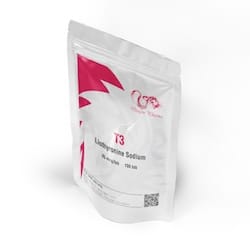
Liothyronine sodium, sold under the brand name Cytomel, is a synthetic form of the thyroid hormone triiodothyronine (T3). Unlike levothyroxine, which delivers thyroxine (T4) that the body converts into T3, liothyronine provides active T3 directly, offering faster symptom relief for those whose conversion rates are suboptimal.
Common Strengths and Typical Use Cases
The market offers Cytomel in 5 mcg, 10 mcg, and 25 mcg tablets. A 5 mcg dose is often the starting point for patients newly diagnosed with hypothyroidism or those transitioning from levothyroxine monotherapy. When a patient needs a modest T3 boost—perhaps to address lingering fatigue—a 10 mcg tablet may be prescribed. The 25 mcg strength is reserved for individuals requiring higher T3 exposure, such as certain post‑thyroidectomy patients or those with documented low serum T3 levels.
Why Starting Low Matters
T3 circulates rapidly and can precipitate tachycardia or bone loss if over‑dosed. Physicians typically begin at the lowest available strength so that the body’s feedback mechanisms adjust gradually. By titrating in 5 mcg increments under medical supervision, patients can find their optimal dose without risking adverse effects.
Patient Factors That Shape Dose Decisions
Age influences metabolism; older adults process thyroid hormones more slowly and may tolerate lower doses than younger patients. Body weight also matters: heavier individuals often need slightly higher amounts to reach the same serum concentration. Thyroid function tests—TSH, free T4, and free T3—provide objective markers that guide dose adjustments.
Comorbidities such as heart disease or osteoporosis require caution. For example, a patient with congestive heart failure may be limited to 5 mcg doses only. Similarly, those on beta‑blockers might experience less symptomatic benefit from higher T3 levels, prompting a more conservative titration schedule.
Genetic variations in deiodinase enzymes can affect how quickly T4 converts to T3. When such polymorphisms are identified, clinicians may lean toward liothyronine therapy rather than relying solely on levothyroxine. This personalized approach ensures that each patient receives a dose aligned with their unique metabolic profile.
Practical Tips for Choosing Your Strength
- Start low: Begin with 5 mcg unless your physician advises otherwise based on lab results or clinical picture.
- Monitor closely: Recheck TSH and free T3 after 6–8 weeks of any dose change to gauge response.
- Adjust gradually: Increase by no more than 5 mcg at a time; larger jumps can trigger side effects.
Patients shopping for Cytomel online should verify that the supplier, such as poseidonrx.com, complies with regulatory standards and provides prescription verification. According to CheapoMeds, each order requires a valid physician’s prescription, ensuring that dosage decisions are medically supervised.
Pricing Breakdown – How Much Does Cytomel Cost in USD?
Cytomel’s retail cost varies by strength: a bottle of 5 mcg tablets typically runs between $30 and $45, while a 25 mcg bottle ranges from $50 to $70. These figures reflect average online pharmacy prices; local pharmacies often charge more, especially if you pay out‑of‑pocket or face higher copays.
Online vs. Local Pharmacy Rates
When shopping at a brick‑and‑mortar pharmacy, the same 5 mcg bottle might fetch $55–$65 after insurance and dispensing fees. Insurance can cut costs to as low as $10–$15 per month if you’re on a high‑deductible plan, but that depends on coverage details. Online pharmacies usually keep prices lower because they avoid retail overhead.
Comparing the same strength side‑by‑side gives a clearer picture of savings. For instance, a 25 mcg bottle costing $65 locally could drop to $58 online if you qualify for a discount or coupon. However, shipping and tax charges can erode those savings.
Promotional Codes and Bulk‑Order Discounts
Many reputable online pharmacies offer promotional codes—often emailed after account creation—that reduce the bottle price by 5–10%. When you stack a code with a 15% bulk‑order discount, you can shave $8–$12 off a standard 25 mcg purchase. Signing up for newsletters and checking coupon sites before checkout often nets tangible savings.
Some pharmacies allow you to order a 3‑month supply at once; the unit price then drops by roughly 7%. If your prescription permits, this strategy keeps both cost and refill logistics simple. Just be sure to verify that the quantity matches your physician’s recommendation.
Shipping Fees and Free Shipping Thresholds
Standard shipping for a Cytomel bottle usually costs $10–$15 unless you meet a minimum spend—often $100 or more—for free delivery. If you’re ordering multiple medications or a larger quantity, that threshold is often met automatically. For single‑bottle orders below the threshold, expect an extra fee that can add 20% to your total.
Plan your purchase so the subtotal reaches the free shipping cutoff; it’s a quick way to eliminate an otherwise unavoidable cost. If you’re close but not quite there, consider bundling with another needed prescription to hit the sweet spot.
Quick Reference Table
| Strength | Online Price Range | Local Pharmacy Price Range |
| 5 mcg | $30–$45 | $55–$65 |
| 25 mcg | $50–$70 | $60–$80 |
For a deeper dive into how Canadian pharmacies price Cytomel, see this detailed listing.
Buying Cytomel Online – The Step‑by‑Step Process
To get a bottle of Cytomel, you’ll need a doctor’s prescription that lists the physician’s name, drug strength, quantity, and signature. Upload or email this copy to the pharmacy; they verify it within 24–48 hours before sending your order.
Prescription Essentials
A valid prescription must include the prescriber’s full name, contact details, the exact drug (liothyronine sodium), strength in micrograms, the amount of tablets requested, and the doctor’s handwritten or electronic signature. The document should be dated within six months to remain active.
Uploading Your Prescription
Most online pharmacies accept a PDF or JPEG file via their secure portal. Click the “Upload prescription” button, select your file, and confirm receipt. Some sites also allow email attachment; simply send the document to the address listed on the order form. If you prefer, you can fax or mail a hard copy, but remember the original must still reach the pharmacy.
Verification Window
Once submitted, the pharmacy’s pharmacist reviews your prescription for completeness and authenticity. This step usually takes 24–48 hours. During verification, they may contact your doctor if details are missing or ambiguous. Once cleared, you’ll receive a confirmation email with an order ID.
Placing Your Order
Navigate to the Cytomel product page and choose the desired strength—5 mcg or 25 mcg—and quantity (typically 30‑tablet bottles). Click “Add to cart,” review the subtotal, and proceed to checkout. Here you’ll enter shipping details, select a payment method—credit card, debit, or wire transfer—and apply any promotional code you have.
Payment & Coupon Application
During checkout, input your payment information. If you possess a coupon, paste it into the “Promo Code” field before finalizing. Many pharmacies offer a 5–10 % discount automatically after account creation; double‑check for any additional savings. After confirming all details, click “Place Order.” You’ll receive an order receipt and estimated delivery date.
For more information on how prescription requirements are handled by reputable pharmacies, see this authoritative source.
Shipping & Delivery – What to Expect Once Your Order Is Placed
After you hit “Place Order,” your Cytomel shipment is immediately logged into the pharmacy’s tracking system. A unique tracking ID appears in your confirmation email, letting you monitor every hop—from warehouse dispatch to final delivery—via the carrier’s website or a mobile app.
Tracking Options
Every package ships with a track‑and‑trace number that works across major carriers like UPS, FedEx, and USPS. Log into the carrier’s portal using your ID, and you’ll see real‑time updates: “Out for delivery,” “Arrived at local hub,” or “Delayed due to weather.” Some pharmacies also offer SMS alerts; just opt in during checkout.
A live feed keeps anxiety at bay. If a delay pops up—say, a customs hold—you’ll see the status change instantly and can reach out to customer service without guessing how long it will take.
Typical Delivery Windows
Most U.S. orders arrive within 3–5 business days, while international shipments usually land in 7–10 days. Factors that push dates back include peak holiday seasons, carrier backlog, or misrouted packages. If you need the medication sooner, some pharmacies offer expedited shipping for an extra fee.
Place orders on a Monday or Tuesday; carriers tend to clear batches faster than at week‑end slowdowns.
Customs Clearance & Fees
When your Cytomel crosses borders, customs officials will review the shipment. If you’re in Canada or the U.S., duties are often waived for prescription drugs, but fees can apply if the package exceeds a certain value. The pharmacy may pre‑pay these costs, adding them to your final invoice.
Keep an eye on the “Estimated Customs Fee” line in your order summary. If you’re shipping to a country with higher tariffs—like some EU states—you might see a $10–$20 surcharge added after clearance.
Returns, Refunds & Recalled Batches
If a mistake occurs—wrong strength, damaged bottle, or an expired lot—the pharmacy’s return policy usually grants a 90‑day window for refunds. Contact customer service within that period; they’ll issue a prepaid label and process your credit once the item arrives back at the warehouse.
Recalled batches are handled with extra care. Upon receiving a recall notice, the pharmacy checks its inventory against lot numbers. If your order is affected, you’ll receive a phone call or email outlining steps to return the product for a full refund and replacement. The pharmacy’s recall protocol prioritizes patient safety over convenience.
For detailed guidance on how international customs processes work with prescription meds, see this authoritative source.
Comparing Cytomel with Other T3 Options (Tiromel, Generic Brands)
Cytomel is the most widely stocked brand of liothyronine sodium in North America. Tiromel and generic liothyronine offer comparable potency at lower price points. While Cytomel is often priced around $120 for a 30‑tablet bottle, Tiromel averages $95–$105, and generics can drop to $70–$80 per bottle, making them attractive alternatives for budget‑conscious patients.
Brand Names & Pricing
Liothyronine sodium is marketed under several names. Cytomel is the FDA‑approved brand, typically sold in 5 mcg or 25 mcg strengths. Tiromel, a generic from the same manufacturer, carries a slightly lower sticker price but uses identical active ingredients and excipients. Independent generics—often sourced from Indian manufacturers—are priced even more competitively, with 30‑tablet bottles ranging from $70 to $80 in the U.S.
Packaging & Child‑Safety Features
Cytomel arrives in a clear plastic bottle capped by a child‑resistant screw. The cap’s twist‑lock mechanism is required by FDA regulations for prescription drugs. Tiromel usually comes in the same bottle but sometimes uses a blister pack, which eliminates the need for a separate cap but can be less convenient for patients who prefer a pill dispenser.
Generic liothyronine often ships in blister packs with child‑resistant packaging integrated into the pouch design. While this reduces bulk, it can make refilling or dose adjustment more cumbersome if you’re on a split‑dose schedule. Some pharmacies still provide the generic in a standard bottle to keep dosing consistent.
Regulatory Status & Labeling Variations
Cytomel holds FDA approval and is listed on Health Canada’s Drug Product Database, ensuring that labeling includes dosage instructions, contraindications, and a comprehensive side‑effect profile. Tiromel, though approved by the U.S. Food and Drug Administration, may have slightly different label wording—often omitting certain brand‑specific warnings but retaining core safety information.
Generic liothyronine is approved under the FDA’s Abbreviated New Drug Application (ANDA) pathway, meaning it must meet bioequivalence standards but can carry a more generic label. In Canada, some generics are registered as “generic equivalents” and may feature simplified labeling that still meets Health Canada’s requirements.
Patient Experiences & Clinical Evidence
Clinical studies comparing Cytomel to Tiromel show similar efficacy in restoring thyroid hormone levels, with no significant difference in reported side effects such as palpitations or insomnia. Patients who switched from Cytomel to Tiromel often noted a price saving of about 20% without compromising symptom relief.
Generic liothyronine users report comparable outcomes but occasionally experience mild variations in tablet size and color, which can affect adherence if they rely on visual cues for dose identification. A survey published by the American Thyroid Association found that 85% of patients using generics were satisfied with their treatment, citing cost as a primary motivator.
For more detailed pricing and patient reviews, see this authoritative source.
Real‑World Usage Scenarios – Who Benefits Most from Cytomel?
Cytomel is a prescription liothyronine sodium tablet used when levothyroxine alone doesn’t fully relieve hypothyroid symptoms, such as fatigue or mood swings. It’s also a go‑to for patients who need T3 during pregnancy, after thyroid surgery, or when doctors suspect that their body needs the rapid action of T3 to stabilize metabolism.
Typical Indications
When a patient on levothyroxine reports lingering cold intolerance, weight gain, or depressive thoughts despite normal T4 levels, clinicians may add Cytomel. The 5 mcg or 25 mcg doses allow fine‑tuning of thyroid hormone balance, giving the body the quick spike in metabolism that T4 alone can’t provide. This synergy often brings energy back and lifts mood within weeks.
Pregnancy & Post‑Thyroidectomy Use
During pregnancy, the fetus relies on maternal T3 to develop brain circuitry early on. Cytomel offers a controlled source of T3 that can be adjusted without over‑stimulating the mother’s heart rate. Similarly, after thyroid removal, patients may need supplemental T3 until their remaining tissue produces enough hormone. In both cases, careful monitoring keeps blood levels in the safe range.
Off‑Label Applications (With Caution)
Some clinicians prescribe Cytomel off‑label for persistent depression that resists standard antidepressants, or to help with weight loss by nudging basal metabolic rate. Others use it as part of adrenal support protocols, believing that balanced thyroid hormones aid cortisol production. These uses require close supervision because T3 can cause palpitations or insomnia if mismanaged.
Patient Story
Maria, a 38‑year‑old teacher, had been on levothyroxine for three years but still felt foggy and achy. After her doctor added a 5 mcg Cytomel dose, she reported clearer thinking within two weeks and noticed her appetite normalize after six months. “It’s like the engine finally got the right spark,” she told her friend, highlighting how targeted T3 therapy can restore daily vitality.
For more information on dosing schedules and patient experiences, see this authoritative source.
- anabolic steroids
- test 500
- test e 300
- testosterone cypionate
- testosterone enanthate
- testosterone injections
- testosterone propionate
- testosterone undecanoate
- tren
- tren ace
- tren e 200
- trenbolone acetate 100mg
- trenbolone enanthate
- tri tren
- t3
- anapolon
- anavar
- arimidex
- boldenone
- cabergoline for bodybuilding
- clenbuterol
- clomid pct
- cutting stack
- deca steroid
- dianabol pills
- equipoise 300
- hcg 5000 iu
- hcg 10000 iu
- human growth hormone
- masteron
- oxandrolone 10mg
- parabolan 100
- primo steroid
- proviron
- sermorelin injections
- somatropin
- stanozolol
- sustanon
- turinabol